
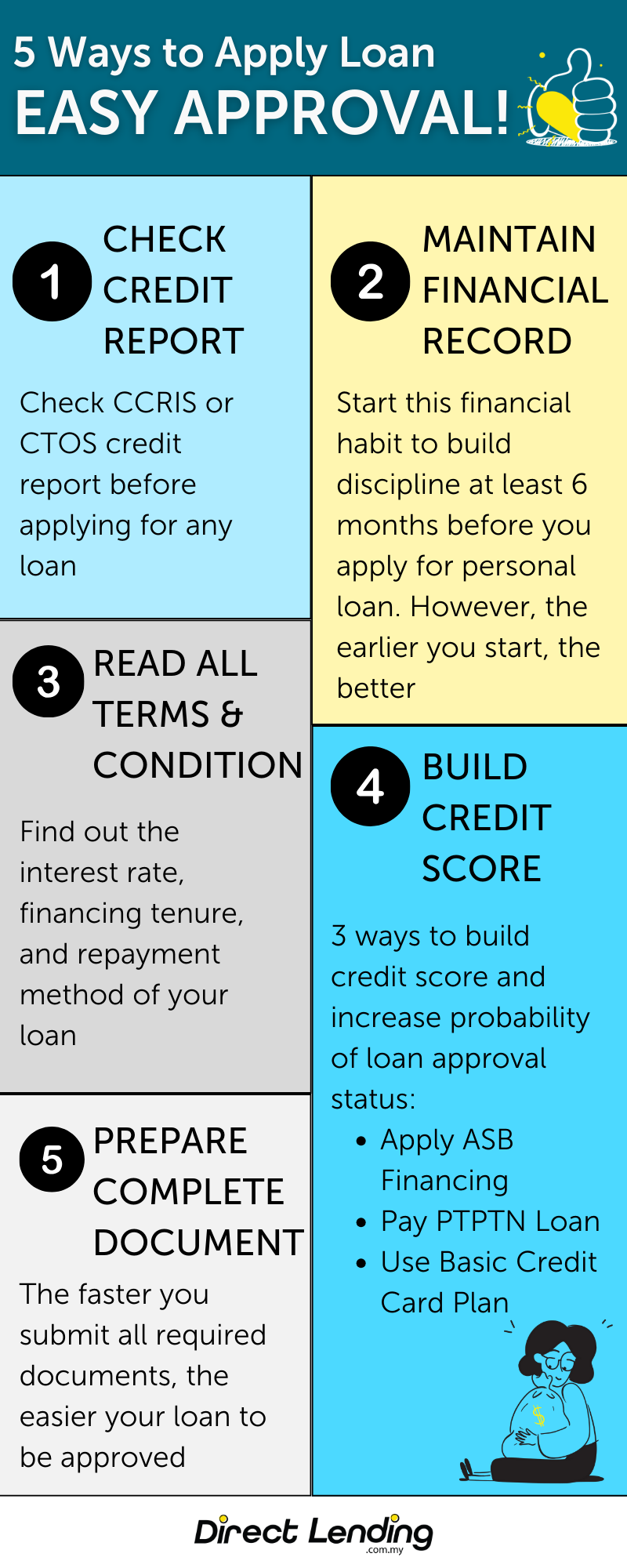
In today’s economy, securing a personal loan can seem like climbing Mount Everest with an ankle bracelet. But fear not! For those grappling with financial hurdles and seeking assistance, there are lenders that extend a helping hand. This guide will explore the world of personal loans tailored to low-income borrowers, breaking down the complexities into manageable chunks.
Understanding Personal Loans for Low-Income Borrowers
A personal loan is like a friendly bank teller who lends you money with an agreement that you’ll pay it back over time, often with interest. However, not all lenders are created equal; some cater specifically to those earning modest incomes. These loans can be lifelines in times of need—like when your car breaks down or the roof starts leaking.
But here’s where things get tricky: most traditional banks and financial institutions demand a steady income stream before they hand over any cash. This is akin to asking for a signed contract from a genie before granting a wish. If you don’t meet their stringent requirements, it can feel like slamming the door in your face.
Despite these obstacles, there are lenders who recognize that life happens regardless of your paycheck size. Some financial institutions have adopted more flexible criteria, allowing individuals with lower incomes to access funds they desperately need.
Why Are Personal Loans Important for Low-Income Borrowers?
Imagine you’re stranded on a deserted island and suddenly, a friendly giant offers you a boat. Would you take it? Probably! Similarly, personal loans offer lifelines when unexpected expenses arise. Whether it’s medical emergencies or urgent home repairs, these loans can be the difference between staying afloat and drowning in debt.
Personal loans provide much-needed financial flexibility without the cumbersome collateral requirements of secured loans. They’re like that supportive friend who lends you their umbrella on a rainy day, except in this case, they’re lending cash instead.
Challenges Faced by Low-Income Borrowers
Low-income borrowers face a unique set of challenges when trying to secure personal loans. These hurdles can be as daunting as navigating through a dense fog without a compass.
Firstly, lenders often require proof of steady income. This is like needing a golden ticket to enter Willy Wonka’s factory—just harder to come by if your job isn’t stable or traditional. If you’re self-employed, earning irregular payments from gigs, or receiving support such as child support and alimony, documenting this can be challenging.
Secondly, lenders scrutinize debt-to-income (DTI) ratios. This ratio is the financial equivalent of a body mass index for your finances. A high DTI suggests that most of your monthly income goes towards existing debts. It’s like trying to swim upstream while carrying heavy rocks—doable but exhausting and risky.
Finally, many lenders require proof of residence. If you’re living in an apartment without a lease agreement or own a home with no mortgage statement, this can present another obstacle. Proving where you live might seem straightforward, but it’s not always easy when your documentation is incomplete.
Alternative Lenders for Low-Income Borrowers
When traditional lenders turn their backs on you, alternative lending institutions step in to offer a helping hand. These lenders often have more lenient requirements and are willing to consider applicants who might otherwise be rejected by mainstream banks.
Upstart: One such lender is Upstart (upstart.com). Unlike traditional lenders that rely solely on your credit score, Upstart evaluates a broader range of factors. They consider your education and employment history to paint a more holistic picture of your financial health. This approach makes them an attractive option for borrowers who may not have the perfect credit scores but still have a solid story to tell.
fastlendgo: Another promising lender is fastlendgo (fastlendgo). This platform stands out by offering rapid approvals and quick funding options, which are invaluable during emergencies. Their streamlined application process means less paperwork and faster access to funds.
Considering the Risks of Personal Loans
While personal loans offer a lifeline in times of need, they also come with risks that borrowers must navigate carefully. The primary danger lies in falling behind on payments due to overwhelming debt or unexpected financial setbacks. It’s like juggling flaming chainsaws—exciting but potentially disastrous if you drop one.
Defaulting on a loan can devastate your credit score, leaving a stain on your financial history for years to come. This is akin to a tattoo that you wish you never got inked—it’s there, and it tells a story about the past decisions you made.
Moreover, some lenders may charge higher interest rates if you have a lower income or poor credit history. While these loans can be an essential safety net, they should only be considered after thoroughly evaluating your budget and financial situation.
Choosing the Right Lender
Selecting the right lender is like choosing the perfect mate—both require careful consideration. Before applying for a personal loan, it’s crucial to research different lenders and understand their requirements.
Consider factors such as interest rates, fees, repayment terms, and customer service quality. A good lender should provide clear information about all aspects of the loan, allowing you to make an informed decision.
It’s also wise to compare offers from multiple lenders. Just like shopping for a new car, comparing different models can help you find the best deal. Use online tools or consult with financial advisors to gather comprehensive information before making your choice.
Alternative Options for Financial Assistance
Not all low-income borrowers will qualify for personal loans. For those who struggle to meet even minimal requirements, other financing options may be more suitable.
Credit Cards: Credit cards can offer a temporary financial cushion with 0% interest introductory periods. However, it’s vital to pay off the balance before the promotional period ends; otherwise, you could find yourself trapped in a cycle of high-interest debt.
Secured Loans: For borrowers unable to qualify for unsecured loans due to poor credit or insufficient income, secured loans provide an alternative. These loans require collateral, such as a car title or savings account. While the risk is higher if you default, securing a loan with assets can make approval more likely.
Payday Loans: Payday loans are often marketed as quick solutions but should be used sparingly and cautiously. Their exorbitant interest rates and short repayment periods can quickly spiral into unmanageable debt traps.
Building Financial Stability
While securing a personal loan might provide temporary relief, building long-term financial stability is essential for true peace of mind. This involves budgeting effectively, managing debts wisely, and saving regularly. It’s like laying the foundation before constructing a house—without solid groundwork, any structure is at risk.
Consider working with credit counseling services if you’re struggling to manage existing debt. These organizations can help you develop realistic budgets and negotiate lower interest rates or modified payment plans with creditors.
Additionally, prioritizing savings, even small amounts regularly, can create an emergency fund that cushions unexpected expenses without resorting to high-interest loans.
Final Thoughts
Personal loans offer valuable assistance for low-income borrowers facing financial emergencies. While they come with inherent risks, careful planning and research can help mitigate these dangers. Exploring alternative lending options and considering supplementary financing methods ensures a more comprehensive approach to managing unexpected expenses.
By staying informed and proactive about your financial health, you can navigate the complexities of personal loans and emerge stronger on the other side. Remember, every journey begins with a single step—taking control of your finances is that first step towards achieving long-term stability and peace of mind.

